Exploring the Diversity of Arab Influence in Uzbekistan and Myanmar (Burma)
Category : |
Sub Category : Posted on 2024-10-05 22:25:23
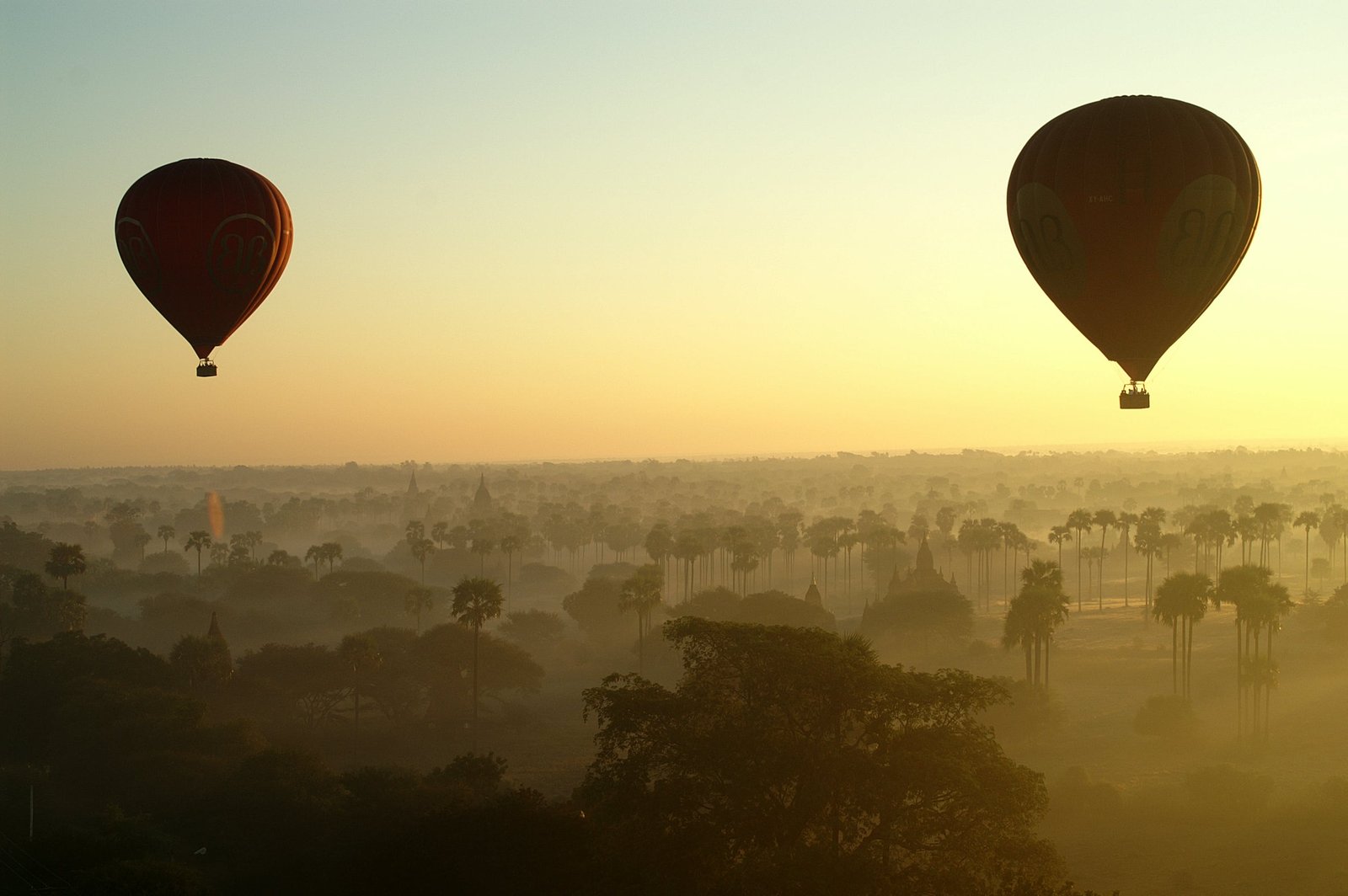
Uzbekistan and Myanmar, formerly known as Burma, are two countries that have a rich cultural history shaped by a variety of influences, including the Arab world. Despite being situated in different regions of Asia, both countries have historical ties to the Arab world that have left lasting impressions on their cultures, art, architecture, and cuisine. In Uzbekistan, the Arab influence can be traced back to the days of the Silk Road when trade routes connected the region to the Middle East. The architectural style of the ancient cities of Samarkand, Bukhara, and Khiva bears a resemblance to traditional Arab designs, with intricate tile work, domed structures, and geometric patterns that showcase the influence of Arab architecture. Additionally, Uzbek cuisine reflects Arab influence through the use of spices such as cumin, coriander, and cardamom, which were introduced through trade with the Arab world. Dishes like plov (pilaf), shashlik (kebabs), and samsa (meat-filled pastries) have become staples in Uzbek cuisine, blending flavors and techniques from both Arab and Central Asian culinary traditions. On the other hand, Myanmar has a unique history of Arab influence, particularly in the city of Yangon where a vibrant Arab community has existed for centuries. The historic Shwedagon Pagoda, one of the most sacred Buddhist sites in Myanmar, is said to have been built with the help of Arab traders who contributed funds for its construction. In addition to architecture, Arab influence can also be seen in Myanmar's traditional arts and crafts, with intricate patterns and designs that bear resemblance to Arab motifs. The traditional longyi worn by both men and women in Myanmar is said to have been influenced by Arab clothing styles, demonstrating the cross-cultural exchange that has taken place over the centuries. Overall, the Arab influence in Uzbekistan and Myanmar adds to the diverse tapestry of cultures that have shaped these countries over the centuries. From architecture to cuisine, art to fashion, the blending of Arab traditions with local customs has created a unique cultural heritage that continues to thrive in both Uzbekistan and Myanmar to this day. For comprehensive coverage, check out https://www.chatarabonline.com
https://egyptwn.com


