The Future of Architecture in Turkey and Myanmar
Category : |
Sub Category : Posted on 2024-10-05 22:25:23
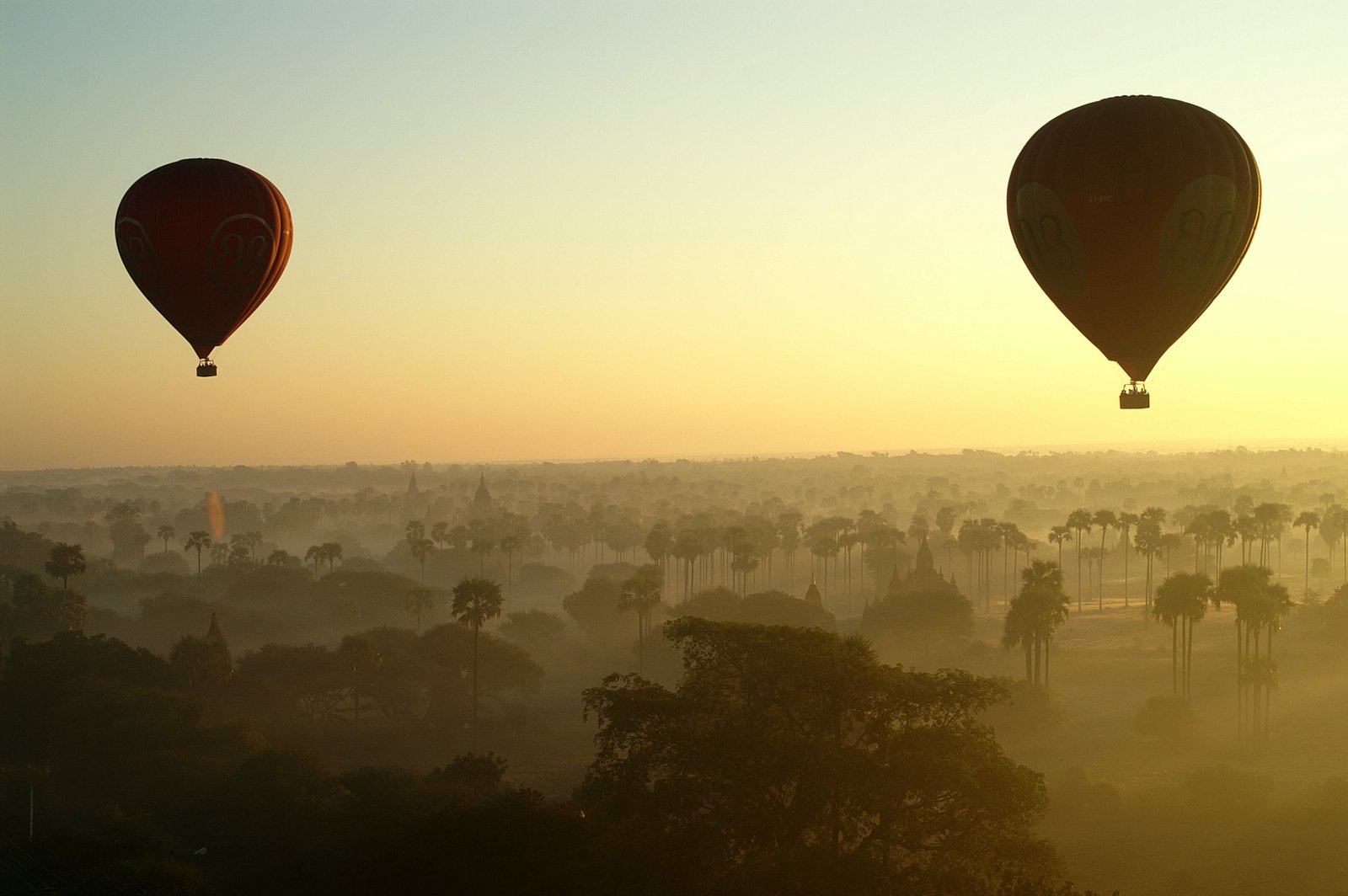
Architecture plays a major role in shaping the identity and future of a nation. Turkey and Myanmar, both known for their rich history and diverse cultural heritage, are countries that have seen significant developments in their architectural landscape over the years. As these nations continue to evolve and modernize, the future of architecture in Turkey and Myanmar promises to be both exciting and transformative. In Turkey, a country that bridges Europe and Asia, the architectural scene is a dynamic mix of tradition and innovation. Historic sites like the Hagia Sophia and the Blue Mosque in Istanbul stand as testaments to the country's Byzantine and Ottoman past, while contemporary structures such as the Istanbul Modern Art Museum and the Koc University Medical Center showcase Turkey's embrace of modern design and technology. Looking ahead, Turkey's architectural future holds promise in various areas. Sustainable design practices are gaining traction as the country seeks to address environmental challenges and promote green building initiatives. With a growing population and urbanization on the rise, there is a pressing need for innovative urban planning solutions that prioritize livability, accessibility, and resilience. Meanwhile, in Myanmar, a country with a rich tapestry of ancient temples and pagodas, architecture plays a vital role in preserving and celebrating its cultural heritage. The iconic Shwedagon Pagoda in Yangon and the ancient city of Bagan are prime examples of Myanmar's architectural treasures that draw visitors from around the world. As Myanmar transitions into a more open society and economy, the architectural landscape is also evolving. The country is witnessing a surge in infrastructure development, with new commercial and residential projects reshaping its urban centers. At the same time, there is a growing interest in preserving traditional architectural styles and techniques, as seen in the restoration efforts of historic buildings in Yangon and Mandalay. Looking forward, the future of architecture in Myanmar holds promise in fostering a harmonious balance between modernization and heritage conservation. Architects and planners are exploring ways to integrate sustainable design principles, locally sourced materials, and community engagement to create spaces that reflect Myanmar's unique cultural identity while meeting the needs of a rapidly changing society. In conclusion, the future of architecture in Turkey and Myanmar is a reflection of their respective histories, aspirations, and challenges. Both countries are poised to embrace innovation, sustainability, and cultural preservation in shaping their built environment. By honoring the past while embracing the future, Turkey and Myanmar are set to redefine their architectural landscapes in ways that inspire and enrich the lives of their people and visitors alike.


