Exploring the DACH Region: A Comparison of Burma (Myanmar) and the Netherlands
Category : |
Sub Category : Posted on 2024-10-05 22:25:23
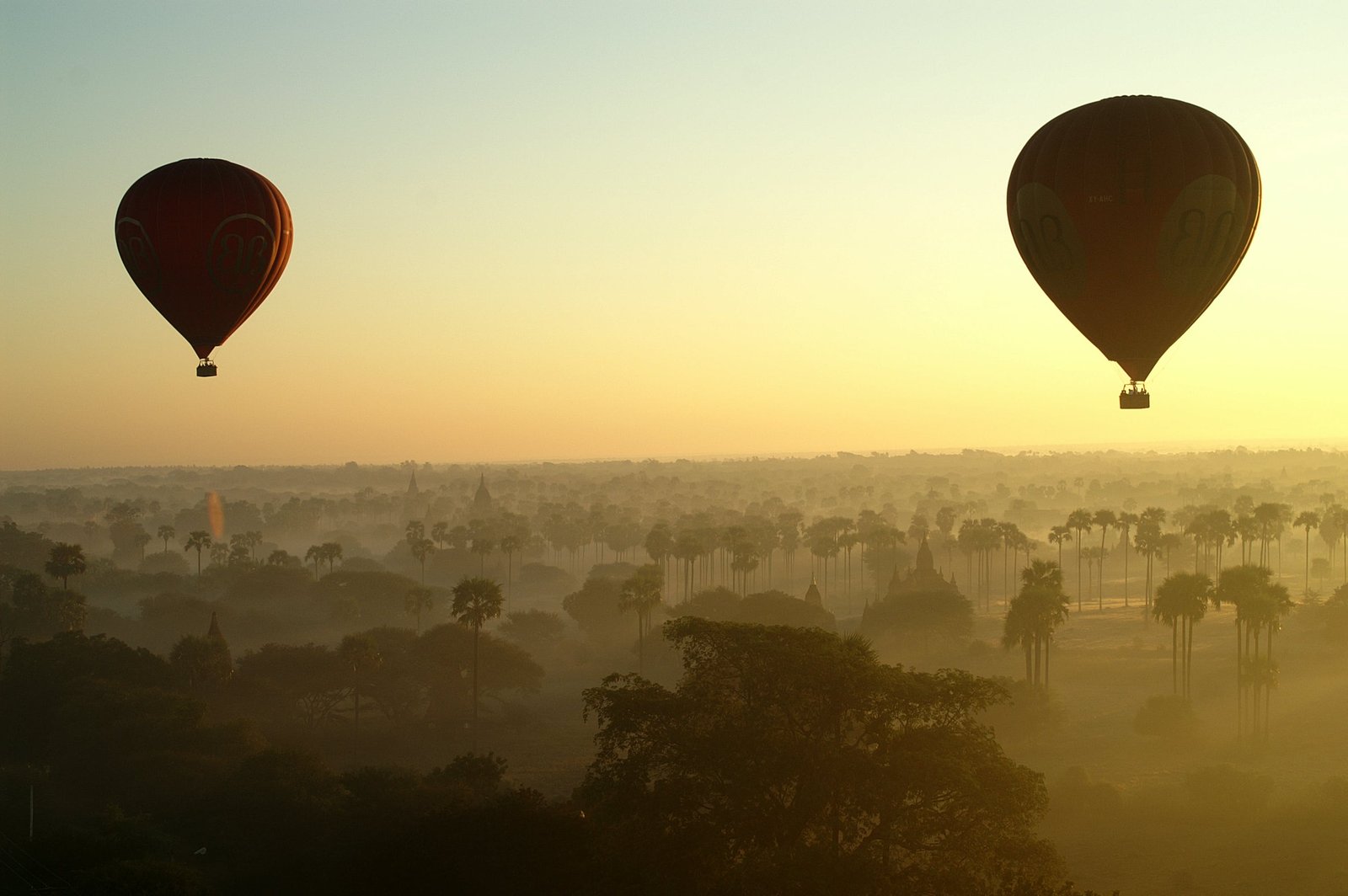
The DACH region, comprising Germany, Austria, and Switzerland, is known for its economic prosperity, high quality of life, and picturesque landscapes. While Burma (Myanmar) and the Netherlands are not part of the DACH region, they are interesting countries to compare with those in terms of their contrasting cultures, economies, and geographic features. Burma, also known as Myanmar, is a Southeast Asian country with a rich cultural heritage and a diverse population. The country has a turbulent history, marked by colonial rule, military dictatorships, and ethnic conflicts. In recent years, Burma has been transitioning towards democracy, although challenges remain in terms of human rights, governance, and economic development. On the other hand, the Netherlands is a small but densely populated country in Western Europe. Known for its picturesque canals, tulip fields, and windmills, the Netherlands has a highly developed economy, advanced infrastructure, and a strong emphasis on sustainability and innovation. The country is also known for its liberal social policies, including the legalization of euthanasia, prostitution, and same-sex marriage. In terms of economy, the Netherlands ranks among the wealthiest countries in the world, with a highly developed and diversified economy dominated by sectors such as agriculture, manufacturing, trade, and financial services. In comparison, Burma is still a developing country with an agrarian economy, although recent economic reforms have led to increased foreign investment and growth in sectors such as telecommunications, tourism, and natural resources. When it comes to geography, Burma is known for its diverse landscapes, ranging from snow-capped mountains in the north to tropical beaches in the south. The country is also home to ancient temples and pagodas, including the iconic Shwedagon Pagoda in Yangon. In contrast, the Netherlands is a flat and low-lying country, with about a quarter of its land mass reclaimed from the sea. The country is known for its extensive network of canals, dykes, and polders, which help protect it from flooding. In conclusion, while Burma (Myanmar) and the Netherlands may be geographically distant and culturally distinct, they both offer unique insights into the diversity of our world. Whether exploring the historic temples of Burma or cycling through the windmills of the Netherlands, both countries have much to offer in terms of history, culture, and natural beauty. As we continue to learn about different regions and their similarities and differences, we enrich our understanding of the world and the people who call it home.


