Exploring the Cultural Connections between Burma (Myanmar), Rotterdam (Netherlands), and Congo
Category : |
Sub Category : Posted on 2024-10-05 22:25:23
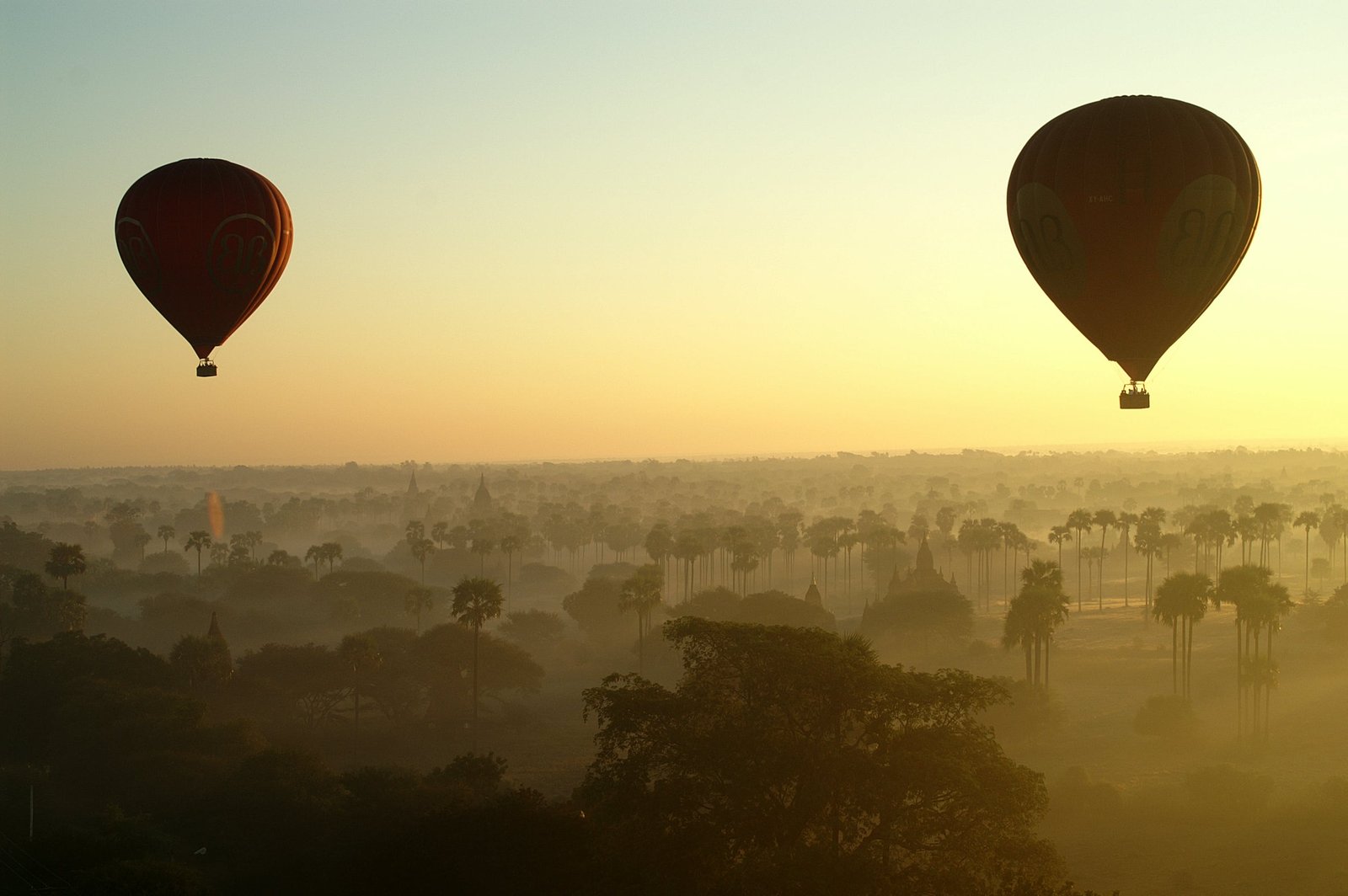
The world is a diverse and vibrant tapestry woven together by the threads of different cultures, traditions, and histories. In this blog post, we will delve into the cultural connections between Burma (Myanmar), Rotterdam (Netherlands), and Congo, three geographically distant yet intricately linked regions. Burma, officially known as Myanmar, is a Southeast Asian country with a rich cultural heritage influenced by its neighbors such as China, India, and Thailand. The country's traditional music, art, and cuisine reflect this diverse heritage, showcasing a unique blend of influences. One of the most iconic cultural elements of Burma is its traditional dance forms, characterized by graceful movements and intricate gestures that tell stories from Buddhist mythology and Burmese folklore. On the other side of the world lies Rotterdam, a bustling port city in the Netherlands known for its modern architecture, vibrant art scene, and diverse population. Rotterdam's cultural landscape has been shaped by centuries of trade and exchange with different cultures, resulting in a melting pot of influences from around the globe. The city's museums, such as the Kunsthal and Boijmans Van Beuningen, showcase a rich tapestry of art from various periods and regions, reflecting Rotterdam's status as a cultural hub. Meanwhile, in the heart of Africa, lies Congo, a country with a complex history marked by colonialism, civil unrest, and cultural resilience. Congolese culture is a vibrant tapestry of music, dance, art, and storytelling, reflecting the country's rich heritage and diverse ethnic groups. Traditional Congolese music, such as soukous and rumba, has made a significant impact on the global music scene, influencing genres like salsa and jazz. Despite their geographical distance, Burma, Rotterdam, and Congo are connected by a shared human experience, shaped by trade, migration, and cultural exchange. In an increasingly interconnected world, understanding and appreciating these cultural connections can help us bridge gaps, foster dialogue, and celebrate the richness of our diverse global heritage. Whether through traditional Burmese dance, contemporary art in Rotterdam, or the rhythmic beats of Congolese music, the cultural connections between these regions remind us of the beauty and complexity of our shared humanity. By embracing diversity and learning from each other, we can create a more inclusive and harmonious world where different cultures can coexist and thrive.


