Urban Redevelopment in Myanmar: Transforming Cities for a Better Future
Category : |
Sub Category : Posted on 2024-10-05 22:25:23
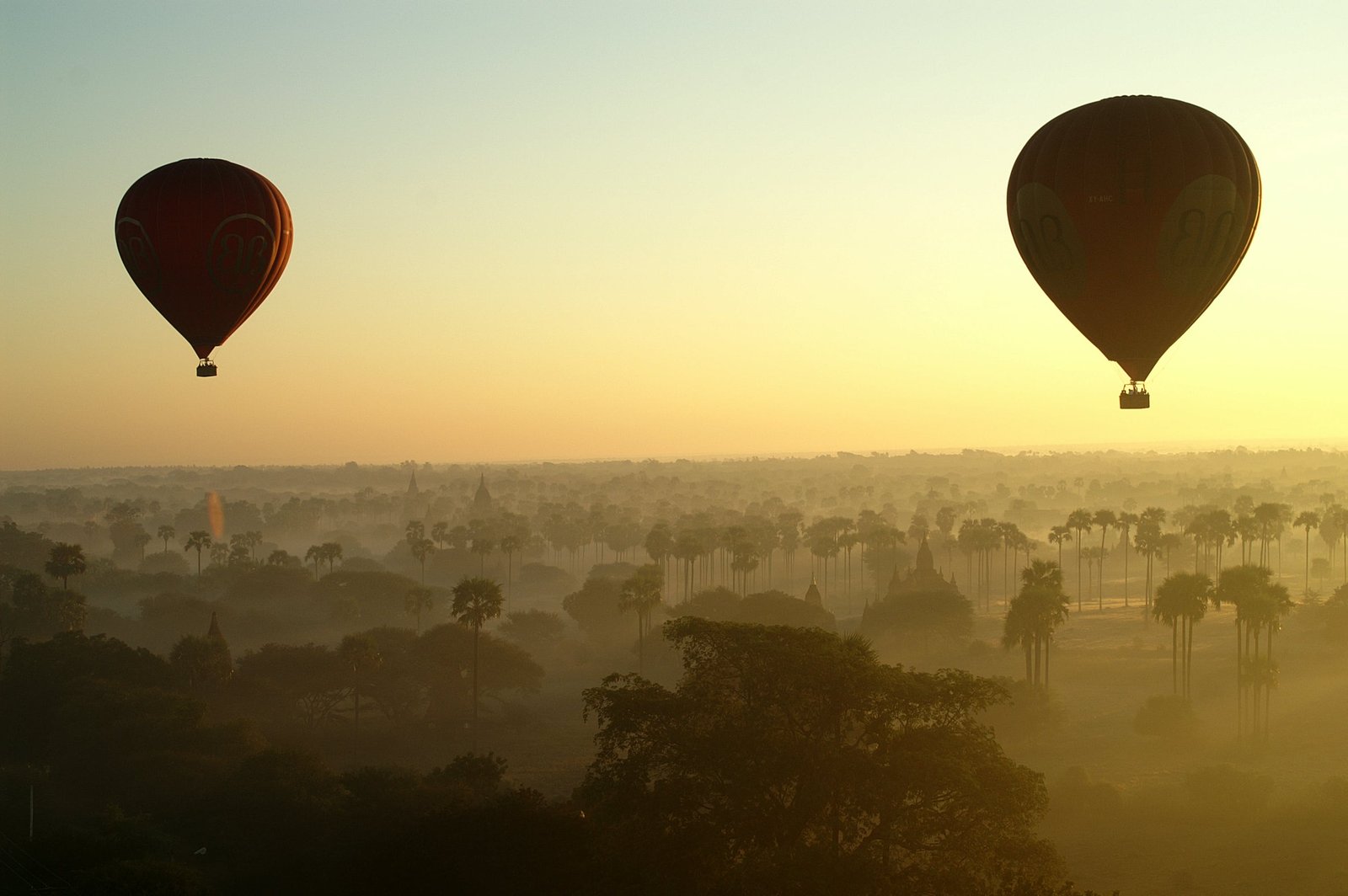
Urban redevelopment in Myanmar, also known as Burma, is a dynamic process that aims to revitalize and modernize cities to meet the needs of a growing population and changing economic landscape. With rapid urbanization and industrialization taking place across the country, urban areas are facing numerous challenges such as inadequate infrastructure, urban sprawl, and environmental degradation. To address these issues, the government and various stakeholders are working together to implement sustainable urban redevelopment projects that will transform cities and improve the quality of life for residents. One of the key drivers of urban redevelopment in Myanmar is the need to accommodate the country's urban population, which is expected to reach over 30 million by 2030. The current urban infrastructure is struggling to keep up with this rapid urbanization, leading to congestion, inadequate housing, and limited access to basic services such as water and sanitation. By investing in urban redevelopment projects, the government aims to create more livable, inclusive, and sustainable cities that can support the growing population and provide a high quality of life for all residents. Another important aspect of urban redevelopment in Myanmar is the revitalization of historic city centers and cultural heritage sites. Cities such as Yangon and Mandalay are rich in history and culture, with colonial-era buildings, temples, and pagodas that are important landmarks of the country's heritage. By preserving and restoring these sites, urban redevelopment projects aim to promote tourism, boost economic development, and create a sense of pride and identity among residents. In addition to preserving cultural heritage, urban redevelopment in Myanmar also focuses on sustainable urban planning and design. This includes building green spaces, promoting public transportation, and implementing energy-efficient and environmentally friendly technologies. By creating walkable, bikeable, and transit-friendly cities, urban redevelopment projects aim to reduce traffic congestion, air pollution, and greenhouse gas emissions, while improving public health and quality of life for residents. Overall, urban redevelopment in Myanmar is a complex and multi-faceted process that requires collaboration between the government, private sector, and local communities. By investing in sustainable urban development, preserving cultural heritage, and promoting inclusive growth, Myanmar is laying the foundation for a better future for its cities and residents. Through strategic planning, innovative design, and community engagement, urban redevelopment projects in Myanmar are transforming cities into vibrant, resilient, and dynamic urban centers that are well-equipped to meet the challenges of the 21st century. Here is the following website to check: https://www.corriente.org
https://desencadenar.org
https://constructional.org


