The Urdu Community in Kuwait and the Art and Design of Burma/Myanmar
Category : |
Sub Category : Posted on 2024-10-05 22:25:23
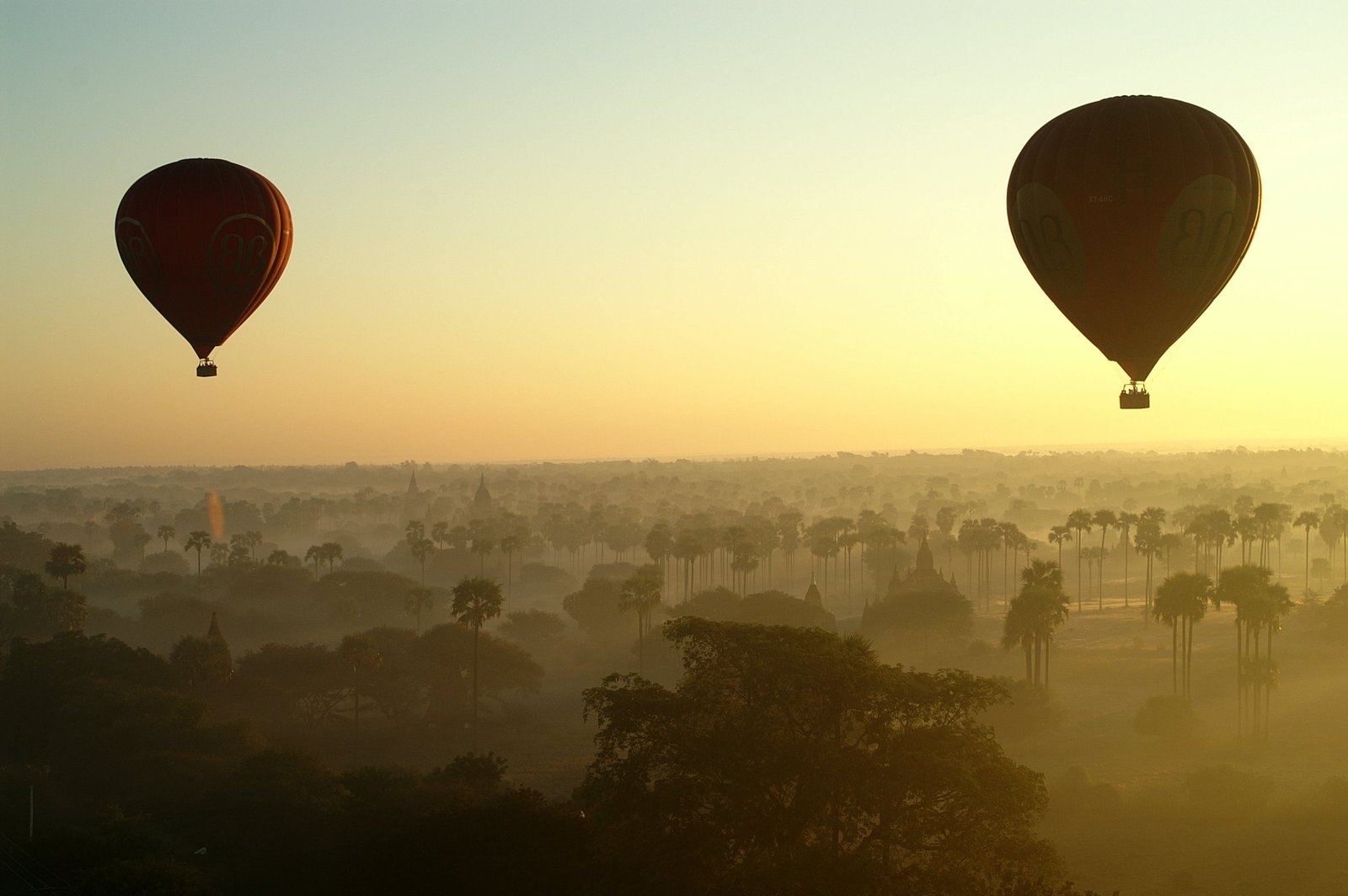
Kuwait, a small but mighty country in the Middle East, is home to a diverse population representing various cultures and nationalities. Among the expatriate communities living in Kuwait, the Urdu community holds a significant presence. The Urdu-speaking population in Kuwait consists of individuals and families who have migrated for work, education, or other opportunities. Despite living away from their homeland, the Urdu community in Kuwait remains connected to their roots through language, traditions, and cultural practices. One of the ways in which the Urdu community in Kuwait showcases its rich cultural heritage is through art and design. The artistic traditions of Urdu-speaking people are deeply rooted in their history, religion, and folklore. From intricate calligraphy to vibrant paintings, Urdu artists in Kuwait draw inspiration from their heritage to create visually stunning and meaningful artworks. In parallel, across the vast continent of Asia, lies the country of Burma, now known as Myanmar, which boasts a rich artistic tradition of its own. The art and design of Burma/Myanmar are characterized by their vibrant colors, intricate patterns, and deep cultural symbolism. Burmese artists are known for their mastery in various art forms such as painting, sculpture, weaving, and pottery. The artistic traditions of the Urdu community in Kuwait and the art and design of Burma/Myanmar may seem distinct, but they share a common thread of celebrating culture, heritage, and identity. Both communities use art as a medium to express their creativity, preserve traditions, and showcase their unique identities to the world. Moreover, in a globalized world where cultures often intersect and influence each other, there is a growing interest in exploring and appreciating diverse artistic traditions. The Urdu community in Kuwait and the art and design of Burma/Myanmar serve as shining examples of the beauty and richness of cultural diversity in our interconnected world. In conclusion, the Urdu community in Kuwait and the art and design of Burma/Myanmar are testaments to the power of art in preserving and celebrating cultural heritage. By honoring their traditions through artistic expressions, both communities not only pay homage to their roots but also contribute to the vibrant tapestry of world cultures.


