Empowering Women Through Education and Fashion in Myanmar and Cameroon
Category : |
Sub Category : Posted on 2024-10-05 22:25:23
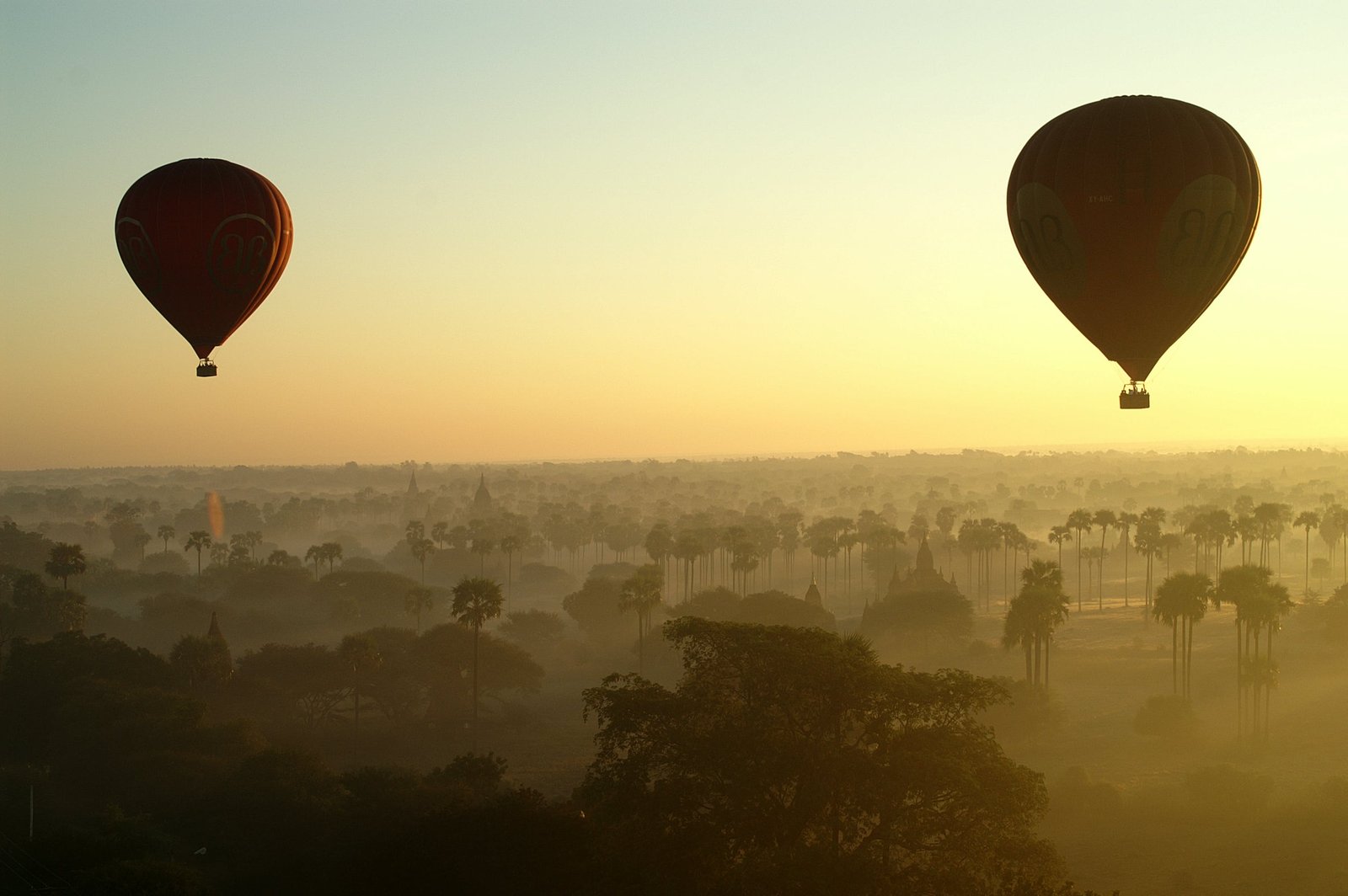
Introduction: Education and fashion are two powerful tools that can uplift and empower Women in societies across the globe. In countries like Myanmar and Cameroon, initiatives focusing on women's education and traditional clothing play a significant role in advancing gender equality and fostering economic independence. Let's explore how these two aspects intersect to create positive change for women in these diverse regions. Women's Education in Myanmar: Myanmar, also known as Burma, has made significant strides in women's education in recent years. Despite facing challenges such as limited access to schooling and cultural barriers, efforts are being made to promote girls' education and literacy in the country. Organizations like the Myanmar Women's Affairs Federation and the Ministry of Education are working towards ensuring equal educational opportunities for women and girls, aiming to break the cycle of poverty and empower women to lead fulfilling lives. In Myanmar, education opens doors to new possibilities for women, enabling them to pursue higher education, secure better job opportunities, and become active participants in their communities. By investing in girls' education, Myanmar is laying the foundation for a more inclusive and equitable society where women can thrive and contribute to the country's development. Fashion and Culture in Myanmar: Traditional clothing plays a significant role in Myanmar's cultural heritage, reflecting the country's rich history and diverse ethnic groups. Women in Myanmar often wear elegant and colorful outfits like the traditional longyi, which is a sarong-like garment worn wrapped around the waist. Fashion also serves as a form of self-expression and cultural identity in Myanmar, with many women taking pride in wearing traditional attire on special occasions and ceremonies. By promoting and preserving traditional clothing styles, Myanmar celebrates its cultural diversity and honors the craftsmanship of local artisans who create these intricate garments. Women's Education in Cameroon: In Cameroon, access to quality education remains a challenge for many women and girls, especially in rural areas where poverty and traditional beliefs hinder girls' schooling. Organizations like the Cameroon Association of Female Jurists and the Ministry of Women's Empowerment and the Family are working to address these barriers and promote girls' education as a means of empowering women in the country. Education is essential for breaking the cycle of poverty and promoting gender equality in Cameroon. By investing in girls' education, Cameroon is investing in the future of its society, as educated women are more likely to participate in the labor force, make informed decisions about their health and well-being, and contribute to their communities' development. Fashion and Culture in Cameroon: In Cameroon, traditional clothing reflects the country's diverse cultural heritage, with over 200 ethnic groups each having unique styles of dress and adornment. Women in Cameroon wear colorful fabrics and elaborate headwraps as part of their traditional attire, showcasing the country's rich cultural tapestry. Fashion in Cameroon is not just about aesthetics but also serves as a means of cultural expression, identity, and pride. By promoting traditional clothing styles and supporting local artisans, Cameroon celebrates its cultural diversity and heritage, ensuring that traditional craftsmanship is passed down to future generations. Conclusion: In Myanmar and Cameroon, women's education and traditional clothing are powerful tools for empowerment, self-expression, and cultural preservation. By investing in girls' education and promoting traditional fashion, these countries are creating opportunities for women to thrive, lead fulfilling lives, and celebrate their cultural heritage. Empowering women through education and fashion is not just a pathway to gender equality but a way to honor and uplift women's voices and contributions to society.
https://impermeables.org


